This summer my son Abel went looking for a summer job, like every 16 year old in town. I talked him out of it. Not out of working, out of the mall. I told him: give me six weeks, learn to build with AI instead, and you will end the summer with something no store apron can give you.
He was skeptical. Teenagers are professionally skeptical. But he took the deal.
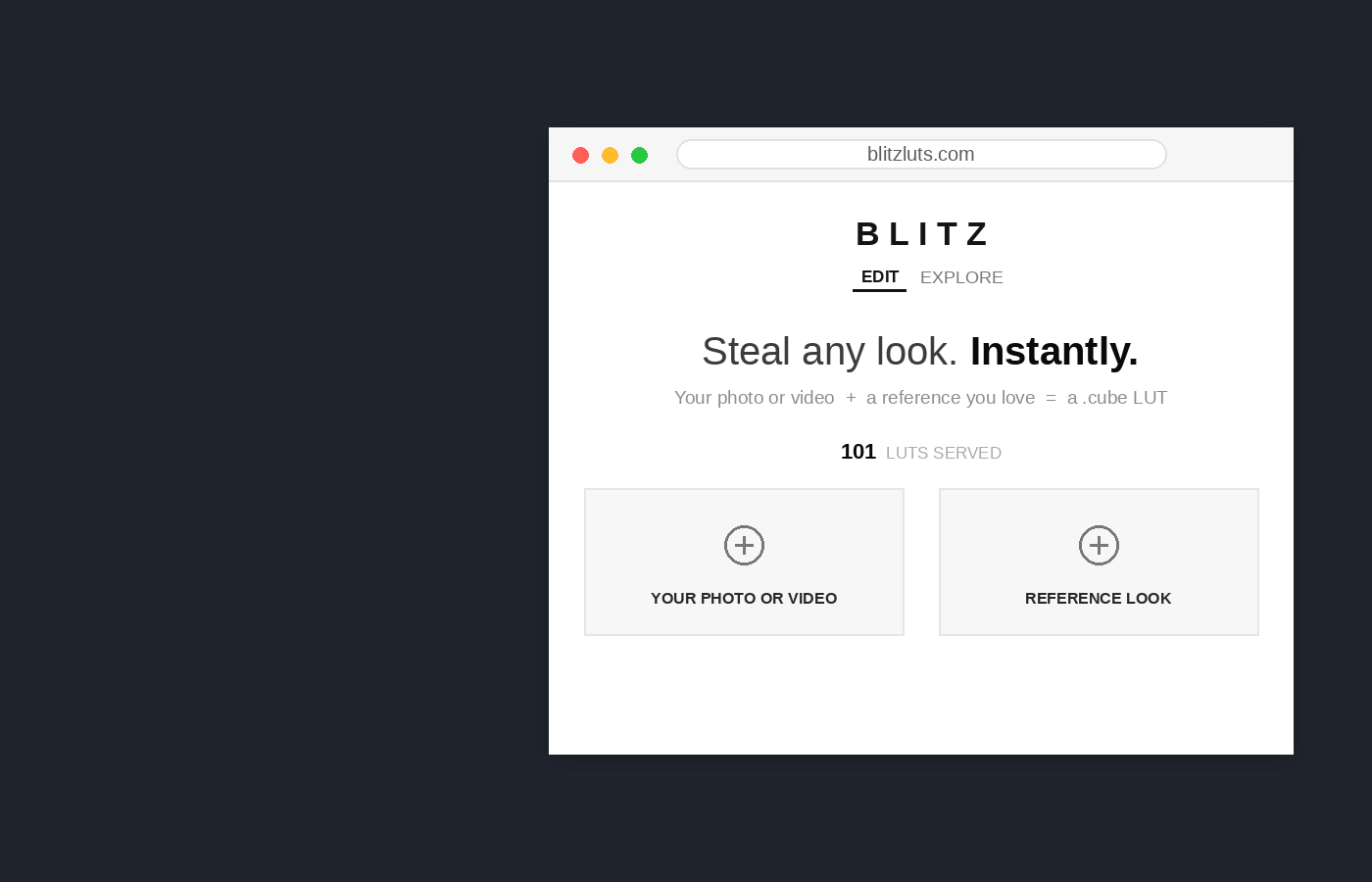
Six weeks later his friends had name tags. Abel had blitzluts.com: a live product on the public internet, built by him, used by strangers.
Here is how that happened, and what it taught both of us.
The pioneers and the whiners
Every generation gets one or two moments when the ground moves. The industrial revolution turned twenty handmade items a week into thousands, and I promise you the reaction at the time was not applause. It was machines will take our jobs, society will collapse, the world is ending. Then came computers, the internet, smartphones, each arriving with the same chorus.
History sorts people into two groups at these moments. The pioneers learn the new thing while it is awkward and early, and build something with it. The whiners ignore it, mock it, and adopt it years later anyway, at which point they whine about the opportunity they missed. The people who learned PC assembly and programming when PCs were strange built businesses. The people who waited until PCs were normal bought computers from them.
You know this feeling. You have driven past a house and told your family, that place was $350,000 ten years ago, it is worth 3.5 million today. I have said that sentence more times than I want to admit, and not only about houses. About technologies. About opportunities I talked myself out of while someone less hesitant got to work.
AI is that moment again, happening right now. This time I decided my family would not be in the whining group.
The four things I taught him before we wrote a line of code
- The wave is still early. Riding it now is worth ten times riding it later.
- This is the cheapest moment in history to build. Work that used to need a funded team and six months now takes weeks. Whatever idea you carry around, it has never been this reachable.
- Creating is the easy part, and it is where almost everyone stops. Anyone can prompt an app into existence now. Value comes from everything after: publishing, marketing, customers, maintenance, revenue.
- You lead. AI works. Never let the tool make the decisions. The judgment is the human's job. In our house we call it human in the loop.
The idea
Abel shoots video on his phone in RAW and colour grades it afterward, a real hobby with a real annoyance: building LUTs, the colour presets editors use, is tedious. His idea was a tool that takes a sample image, learns its colour grade, and generates a LUT you can download into Premiere or Final Cut.
Notice what that is not. It is not a startup idea from a brainstorm list. It is a problem he personally had. That is where the good ones come from.
The seven steps, and where everyone quits
1. Create. He built it with AI, prompt by prompt: a working web app that accepts an image, learns the grade, applies it, offers adjustments, and exports the LUT. He was very proud. I told him congratulations, you have completed step one of seven. This is where most people stop.
2. Publish. A product on your laptop is a diary entry. The .com was available, so blitzluts.com was born, deployed through GitHub and Cloudflare, both free. Now strangers could use it. This is where most of the rest stop, waiting for users to simply appear.
3. Legalize. Privacy policy, terms of use, cookie consent, accessibility. Boring, essential, and skipped by almost every hobby project on the internet. Not his.
4. Market. SEO from competitor analysis to keywords, sitemaps, robots.txt, Search Console, analytics, then the real question: who is this for and how do they find it?
5. Manage customers. Capturing interest, thinking through sign ins, understanding the free and paid tool landscape. Plumbing, so that the next step has somewhere to flow.
6. Earn. We talked honestly about money. Charging for LUTs would kill a young tool; free plus advertising fits better. So the model is chosen, and ads come once the site has earned some standing. A 16 year old now understands revenue models better than most people with business cards.
7. Improve, forever. The difference between good and best is the loop that never closes. We built a path to test ideas locally and ship them live. The running counter of LUTs served came from that loop, and a backlog waits behind it: leaderboard, community, deeper customization.
Idea in his head to product on the internet: six weeks, and a father and son with a lot to talk about at dinner.
The moral
AI is not a genie. Nothing gets poofed into existence. It is the most powerful tool a builder has ever held, and it still needs what tools have always needed: a human who knows what to build, can judge what comes out, and refuses to stop at step one.
And the other moral, the one I keep relearning: the difference between the pioneers and the whiners was never talent. It was starting.
If you have an idea you keep carrying around
This is exactly what Lampstand exists for. Our AI Builders Program is 12 weeks, part time, live online, and it walks you through everything above, not just the creating but the publishing, the legal groundwork, the marketing, the customers, the maintenance, and the revenue. You graduate with your own work live on the internet, the way Abel's is.
The founding cohort begins September 28. If a 16 year old can ship in six weeks with a stubborn parent for an instructor, imagine what you could do with twelve and a patient one.